





Miracle Berries for Picky Eaters: The Parent’s Guide
Miracle Berries for Picky Eaters: The Parent’s Guide
If you have ever tried to get a picky eater to eat more fruits and vegetables, you already know the dinner table can turn into a tiny courtroom.
The kiwi is “too sour.” The yogurt is “too tangy.” The green apple is “too sharp.” The salad has apparently committed a crime.
Fair assumption from a kid’s point of view. Some fruits and vegetables really do hit the tongue with a sour, tart or bitter first impression.
That begs the question: what if trying new produce felt more like a taste experiment and less like a negotiation?
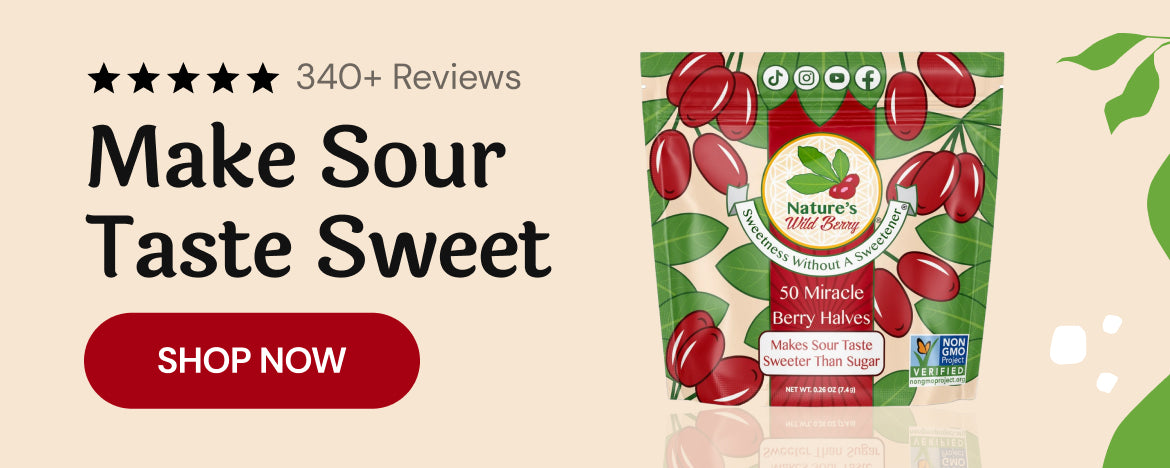
That is where Nature’s Wild Berry gets interesting. Miracle berries contain miraculin, a naturally occurring protein that temporarily makes sour and tart foods taste sweet. No added sugar. No artificial sweeteners. Just a tiny fruit making the first bite feel a lot less intimidating.
Quick answer: Miracle berries may help picky eaters become more curious about sour and tart produce by making those foods taste sweeter for a short time. They are not a cure for picky eating, but they can turn food exposure into a fun flavor experiment.
How Do Miracle Berries Help Picky Eaters?
They change the first impression.
For many picky eaters, especially kids, the first bite is everything. If a food tastes sour, bitter, sharp or unfamiliar, the answer is often “nope” before the second chew ever gets a vote.
Miracle berries work differently than sugar or sweeteners. They do not add sweetness to the food. Instead, they temporarily change how the tongue experiences sour and tart foods.
That means foods like lemon, lime, kiwi, grapefruit, green apple, tart yogurt, pineapple, cranberry and apple cider vinegar drinks can taste naturally sweeter after using Nature’s Wild Berry.
The food itself has not changed. The kiwi is still kiwi. The yogurt is still yogurt. Your kid’s taste buds are telling them that the same food has just become much more appealing, naturally.
What Miracle Berries Actually Do
Miracle berries come from the fruit Synsepalum dulcificum. The berry’s pulp contains miraculin, a naturally occurring taste-modifying protein.
When your child chews a freeze-dried miracle berry and lets the pulp coat their entire tongue for about 30 seconds, miraculin interacts with the sweet taste receptors on the tongue.
Then, when something sour or acidic hits the tongue, the pH change activates the effect. The brain receives a flavor enhancing signal from a food that would normally taste sour or savory.
That is why miracle berries are best known for foods with some acidity. They are not magic dust for every food on the plate. They shine when the food already has a sour or savory note for miraculin to work with.
Miracle berries should be used as a low-pressure taste experience, not a way to force kids to eat foods they are not ready for. Picky eating can be complex, especially for kids with sensory sensitivities, food aversions, allergies, reflux or medical concerns.
Why This Can Help With Food Curiosity
Getting a picky eater to try something new is often less about nutrition facts and more about trust.
A child who expects a food to taste sour or bitter may reject it before really tasting it. But when that same food suddenly tastes better than expected, the experience can feel surprising, playful and safe enough to try again.
That does not mean one miracle berry will make a child love every vegetable forever. If only. Parents everywhere would be doing cartwheels in the produce aisle.
But it can create a positive first experience. And positive food experiences matter. They help build curiosity. They make the next exposure easier. They turn “I hate that” into “wait, what just happened?”
That is a better starting point.
Best Starter Foods for Picky Eaters
The best foods to try are sour, savory or anything on with acidic pH. If it makes you pucker, Nature’s Wild Berry can make you smile.
Lemon and lime
These are the easiest first demo foods. A tiny taste can go from sour face to lemonade vibes fast.
Kiwi and green apple
Tart fruit can become brighter, sweeter and more candy-like without adding sugar.
Grapefruit and berries
Grapefruit, strawberries, raspberries and blackberries can taste sweeter and less sharp.
Pineapple and pomegranate
Already exciting fruits can taste even more vibrant when their tartness gets flipped.
Tart yogurt and cream cheese
Plain Greek yogurt, tart yogurt and cream cheese can taste smoother, sweeter and more dessert-like.
Pickled and fermented foods
Cheese, pickles, kimchi, sauerkraut and vinegar-forward foods can taste less sharp and more approachable.
What About Vegetables?
This is where we let you know the berry is not a Harry Potter wand.
Miracle berries are not going to work on everything. Not every vegetable will suddenly taste like dessert. Broccoli is still broccoli. Nobody wants to misrepresent broccoli. It has been through enough.
But miracle berries can make some vegetable experiences more interesting, especially when acidity is part of the bite.
Think salads with tomato, onion, olives, feta, lemon, vinegar or tart dressing. Think cucumber with lime. Think pickled onions. Think green juice with lemon, celery and greens. Think sauerkraut, kimchi or kombucha for older kids who are open to bigger flavors.
The berry may also help curb bitterness or soften sharp edges for some people, though results vary. Taste buds can be so personal, it’s why we say everyone has their own sense of taste.
Helpful takeaway: Nature’s Wild Berry works best when there is tartness, sourness or acidity in the food. For vegetables, pair them with lemon, lime, vinegar, tomato or fermented flavors for a better first experiment.
A Low-Pressure Taste Adventure for Kids
The best way to use Nature’s Wild Berry with picky eaters is to make it feel like a magic trick. Every good magic trick needs a before and after.
Not a lecture. Not a bribe. Not “three more bites and then dessert.”
More like a taste adventure or a fun game.
Set up three to five tiny portions of different foods. Keep the portions small enough that nobody feels overwhelmed. A little lemon wedge. A small spoonful of tart yogurt. A tiny piece of green apple. A raspberry. A pickle slice.
Then let your child be the judge. It might help to ask questions like:
| Question | Why it helps |
|---|---|
| Does it taste sweeter than before? | Turns the experience into observation instead of pressure. |
| What food changed the most? | Encourages curiosity and comparison. |
| Would you try this again? | Lets the child keep control. |
| What should we test next time? | Makes future exposure feel like their idea. |
How to Use Nature’s Wild Berry Correctly
The correct usage matters. Nature’s Wild Berry is a real freeze-dried berry, not a tablet.
Start small. First timers always start off with two pieces because it's easier to coat the tongue. Afterwards, most people say one piece is enough for the experience.
Chew the freeze-dried berry. Make sure your child breaks through the berry so the pulp under the skin contacts the tongue.
Coat the entire tongue for 30 seconds. Move the berry pulp around so the miraculin can reach the taste receptors.
Try sour or tart foods. Start with kid-friendly options like lemon, lime, kiwi, green apple, tart yogurt, berries or pineapple.
Keep it playful. The goal is curiosity, not clearing the plate.
What Not to Do
A little strategy goes a long way here.
We don't recommend using miracle berries to trick kids into eating foods secretly. That can backfire and make food trust harder later.
Avoid making the session about “healthy food.” Most kids are not inspired by a parent saying “this is nutrient-dense.” Hard to believe, I know.
Fun and force are opposites. The goal isn't to force a child to finish a food because it tastes sweeter. If they try one new thing, that's progress.
And do not expect every food to work equally well. Miracle berries are amazing but they are not tiny red wizards with a vegetable agenda.
Why Parents Like the Clean-Label Angle
Nature’s Wild Berry contains no added sugar and no artificial sweeteners. It is made from real freeze-dried miracle berries and is certified Non-UPF and Non-GMO Project Verified.
That matters for parents who want food exploration without turning every experiment into candy, syrup or another sweetener.
Instead of adding sugar to tart foods, Nature’s Wild Berry changes how sour tastes for a temporary window of time. That is a very different approach.
It can help kids experience fruits and some tangy, savory foods in a new way while keeping the food itself unchanged.
Safety and When to Check With a Pediatrician
Miracle berries are used as a food-based taste experience but parents should still be thoughtful.
Check with a pediatrician before using miracle berries with very young children, children with food allergies, swallowing difficulties, reflux, feeding disorders, significant sensory aversions, diabetes, blood sugar concerns or any medical condition.
Remember that miracle berries change taste perception. They do not reduce the actual acidity of foods. Lemon still has acid. Vinegar still has acid. If your child has reflux or mouth irritation, start cautiously or skip highly acidic foods unless a qualified professional says they are appropriate.
Nature’s Wild Berry is not intended to diagnose, treat, cure or prevent any disease. If your child has a health condition, takes medication, follows a medical diet or has feeding concerns, ask a qualified healthcare professional before changing their routine.
The Bottom Line
So, how do miracle berries help picky eaters eat more fruits and vegetables?
They make some sour and tart foods taste sweeter, which can turn a stressful first bite into a fun experiment.
That does not guarantee your child will suddenly love every fruit, vegetable or fermented food. But it can make trying new foods feel less scary and more playful.
For parents, that is the real win: less pressure, more curiosity and one more tool for helping kids explore foods at their own pace.
Start small. Chew the berry. Coat the tongue for 30 seconds. Try one tart food. See what happens.
Your picky eater might not become a broccoli connoisseur overnight. But they may become curious enough to take the next bite.
Frequently Asked Questions
Can miracle berries help picky eaters?
Miracle berries may help some picky eaters become more curious about sour and tart foods by making those foods taste sweeter for a short time. Results vary and they should be used as a low-pressure taste experiment, not a way to force eating.
Do miracle berries make vegetables taste sweet?
Miracle berries work best with sour and acidic foods. Some vegetables may taste more approachable when paired with lemon, lime, vinegar, tomato or fermented flavors. They do not make every vegetable taste sweet.
What foods should picky eaters try first with miracle berries?
Start with small tastes of lemon, lime, kiwi, green apple, grapefruit, berries, pineapple, pomegranate, tart yogurt or cream cheese. These foods have tart or acidic notes that work well with miraculin.
Are miracle berries safe for kids?
Parents should check with a pediatrician before using miracle berries with very young children, children with allergies, swallowing difficulties, reflux, feeding disorders, sensory aversions, diabetes or other medical concerns.
How do kids use Nature’s Wild Berry?
Have the child chew the freeze-dried berry, break through the skin so the pulp contacts the tongue and coat the entire tongue for about 30 seconds. Then offer small tastes of sour or tart foods.
Do miracle berries add sugar to food?
No. Nature’s Wild Berry contains no added sugar and no artificial sweeteners. The sweet-tasting effect comes from miraculin changing how sour and tart foods taste.
Ready to Turn Picky Eating Into a Taste Adventure?
Try real freeze-dried miracle berries from Nature’s Wild Berry and make sour foods taste sweet without added sugar or artificial sweeteners.
Shop Nature’s Wild Berry